

Conway water at a glance
- Water utility
- City of Conway, which buys its water from GSWSA
- Source
- Bull Creek, an arm of the Great Pee Dee River, treated at GSWSA's Bull Creek plant (GSWSA)
- Disinfection
- Chloramines, with a routine yearly switch to free chlorine while lines are flushed (City of Conway)
- Hardness
- Listed in the city's annual water quality report; your test measures your own tap
- Private wells
- Common outside city limits and across western Horry County
Which utility serves your home?
Around Conway, water comes from several utilities:
- City of Conway serves homes inside city limits, with water purchased from GSWSA.
- Grand Strand Water & Sewer Authority (GSWSA) serves much of western Horry County, including areas around Aynor and Green Sea.
- Town of Loris serves Loris, supplied from GSWSA's Bull Creek plant.
Check your water bill to see which one serves you. Each publishes its own annual water quality report, and our test measures what actually reaches your tap.
Where Conway's city water comes from
- SourceBull Creek, an arm of the Great Pee Dee River
- TreatmentGSWSA Bull Creek Water Treatment Plant
- DisinfectionChloramines, with a yearly switch to free chlorine
- Your tapThen your own pipes and water heater, which our free test checks
Drinking water in Conway
Conway's water is river water from the Great Pee Dee watershed, treated at GSWSA's Bull Creek plant. Surface water carries more organic matter than deep groundwater, which is why utilities monitor disinfection byproducts such as trihalomethanes. An RO system and its carbon stages reduce those byproducts along with PFAS and dissolved solids at your kitchen tap.
PFAS and Conway water
The EPA set the first national drinking water limits for several PFAS in 2024, and utilities publish their monitoring in annual water quality reports. Check Conway city water's latest report for your area; RO adds a second barrier at your kitchen tap.
What reverse osmosis reduces
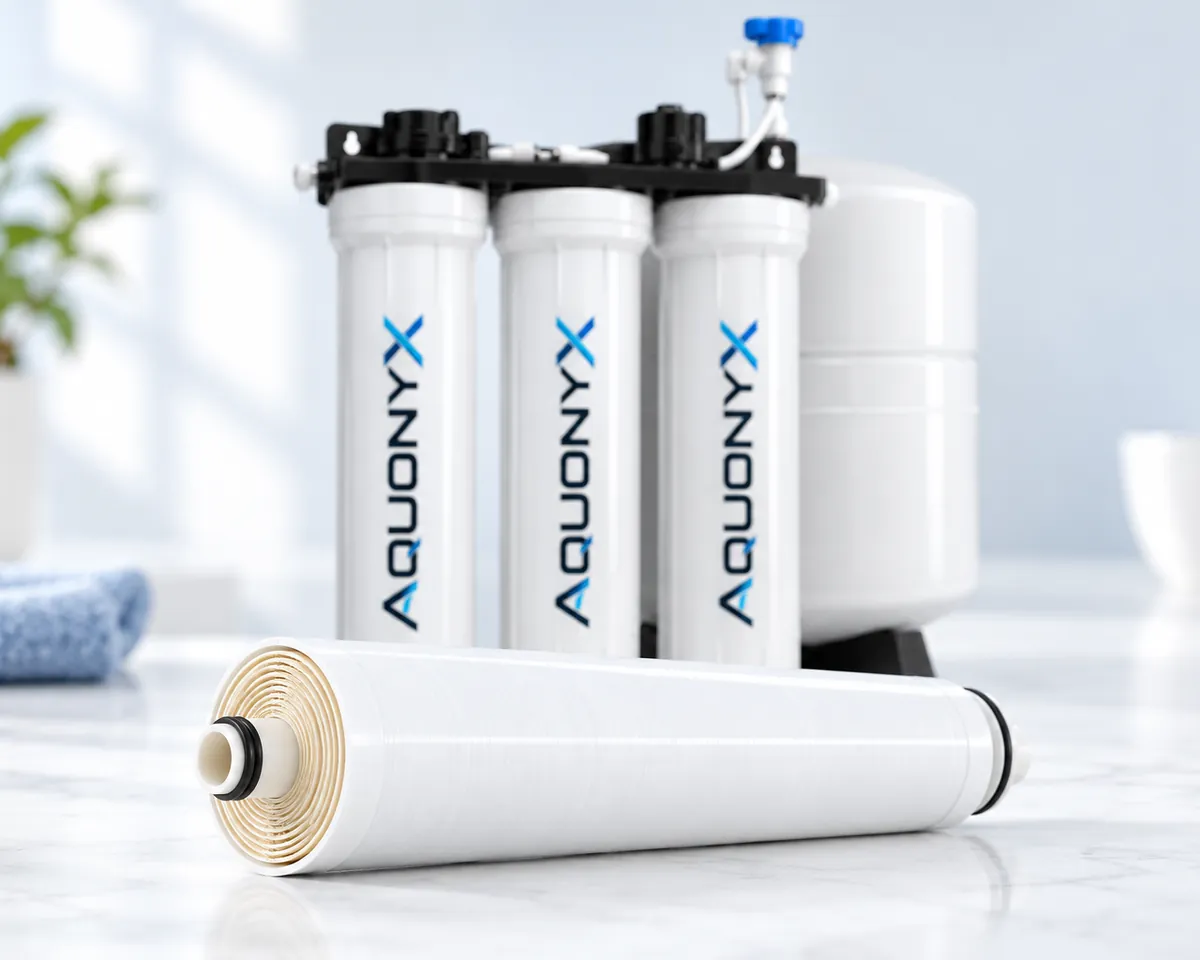
Certified systems reduce dissolved solids, lead, many PFAS compounds, nitrates and arsenic, and their carbon stages take out chlorine or chloramine taste. Look for certification to NSF/ANSI 58 for the contaminants you care about. How reverse osmosis works.
What happens at your free test
Your free test measures hardness, chlorine or chloramine, iron, pH and total dissolved solids at your tap, and you keep the written report. We recommend a reverse osmosis system only if your results call for it. How the free test works.
Where we work around Conway
We test homes across Conway, Aynor, Loris and the rest of western Horry County.
Sources
- GSWSA: Bull Creek Water Treatment Plant
- GSWSA: chloramine FAQ (chloramine is the primary disinfectant, since 1993)
- GSWSA: March 2026 flushing and free-chlorine notice, western Horry County
- City of Conway: annual switch from chloramines to free chlorine
- SCDES: well water quality testing services
Frequently asked questions
Does Conway water come from a well or a river?
City water in Conway comes from Bull Creek, an arm of the Great Pee Dee River, treated at GSWSA's Bull Creek plant. Homes outside city service may be on private wells.
Does reverse osmosis remove PFAS?
Reverse osmosis is one of the most effective home treatments for PFAS. Certified systems list which PFAS they were tested to reduce.
Where does the system go?
Under the kitchen sink, with its own faucet. It can also feed a refrigerator or ice maker.