

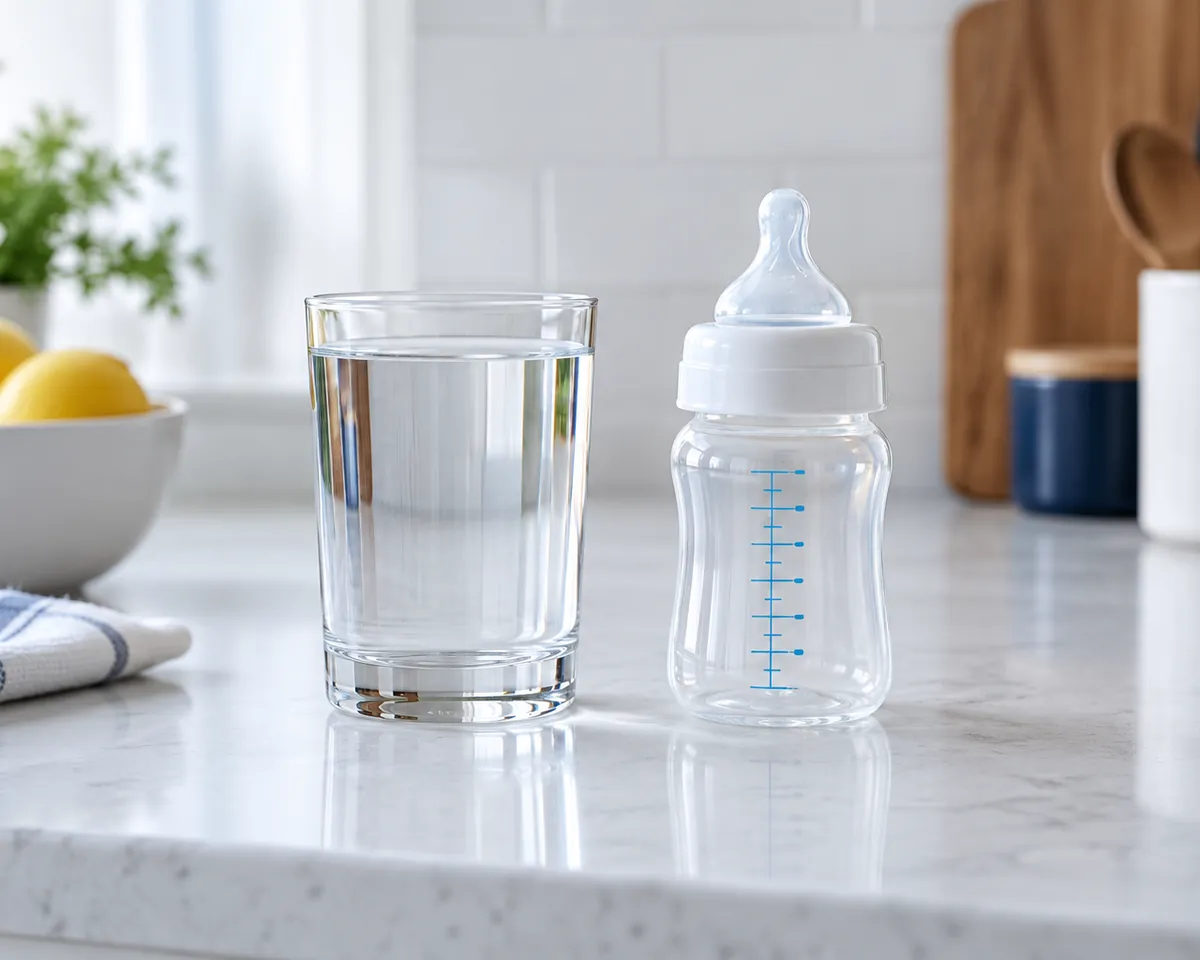
Key Facts
- EPA maximum contaminant level: 10 mg/L (10 ppm)
- The EPA associates nitrates above the limit with methemoglobinemia ('blue baby syndrome') in infants
- SC and NC have significant agricultural land use that can contribute to nitrate runoff
- Nitrates have no taste, color, or odor — testing is required to detect them
- The EPA identifies reverse osmosis and ion exchange among treatment technologies for nitrates
The Solution
Reverse osmosis and anion exchange are the treatment technologies commonly used for nitrates. ClearFlow installs and services both; reduction performance is defined by the manufacturer's published specifications and varies with water conditions.
Related Pages
Related guides
- Well Water Testing SC & NC
- Well Water Treatment Cost in SC & NC
- Whole House Water Filtration in SC & NC
Frequently asked questions
Are nitrates a concern in drinking water?
The EPA sets a maximum contaminant level of 10 mg/L because nitrates above that level are associated with methemoglobinemia ('blue baby syndrome') in infants under 6 months. If you have an infant in the home and use well water, testing is strongly recommended.
Where do nitrates in water come from?
Primarily from agricultural fertilizers and animal waste in SC and NC's farming counties. Septic systems and decaying organic matter also contribute to nitrate levels in groundwater.
Does boiling remove nitrates?
No — boiling actually concentrates nitrates. Only reverse osmosis, ion exchange, or distillation effectively removes nitrates.
Should I test my well for nitrates?
Yes, especially if you have a private well in an agricultural area of SC or NC. ClearFlow provides free in-home nitrate testing. Call (843) 742-1196.
What filter addresses nitrates in water?
Reverse osmosis and anion exchange are the technologies commonly used for nitrate reduction in the home. Reduction performance for any given system is published by its manufacturer.