

Key Facts
- EPA lifetime health advisory: 0.3 mg/L; secondary (aesthetic) standard: 0.05 mg/L
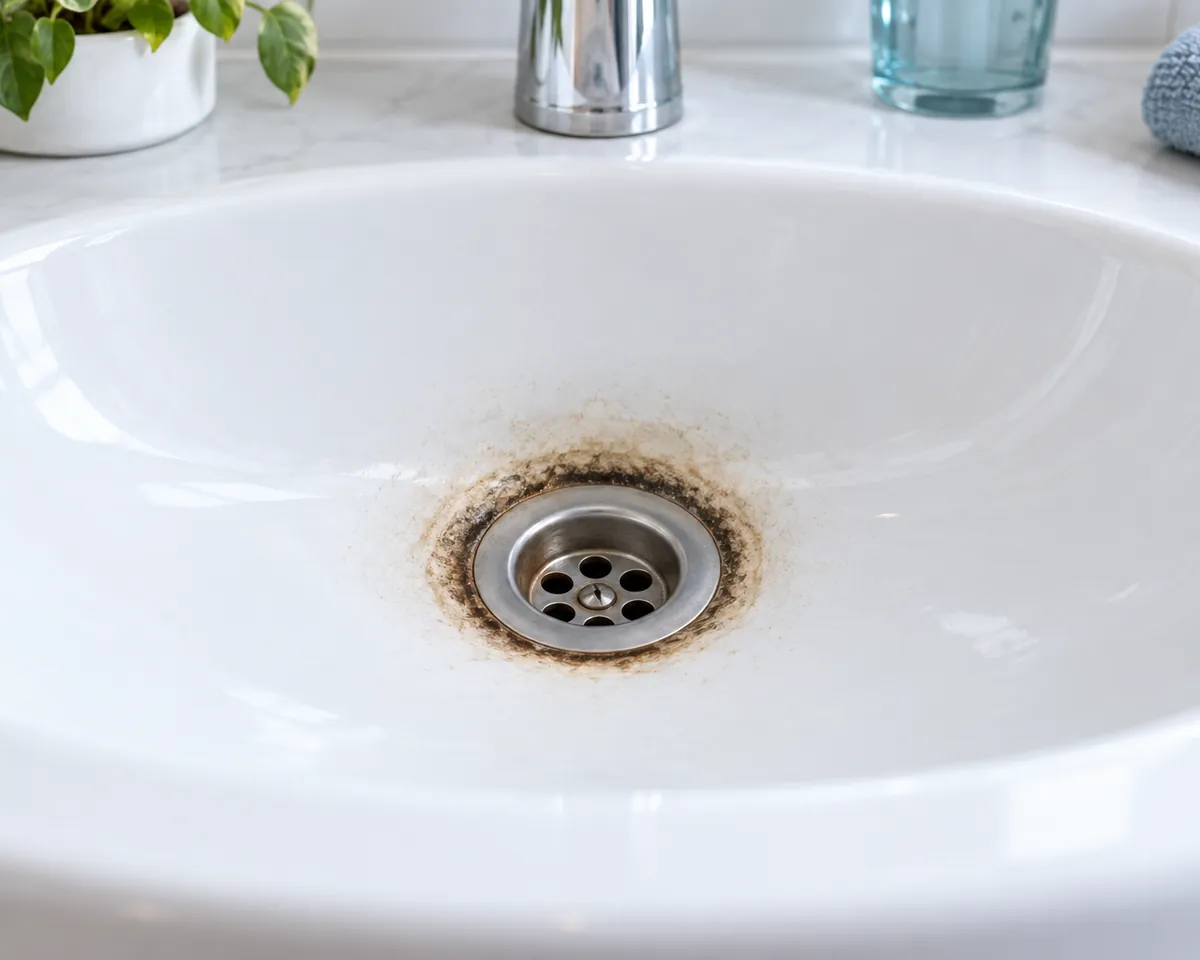
- Manganese is a common cause of black staining on fixtures and laundry
- The EPA's health advisory reflects concerns about neurological effects from long-term exposure
- Manganese occurs naturally in the geology of both the SC Upstate and coastal plain
- Oxidizing filtration media are commonly used to address manganese
The Solution
Oxidizing filtration media (greensand, birm) or air injection systems effectively remove manganese from well water. For municipal water with elevated manganese, catalytic carbon or oxidizing filters are used. ClearFlow tests and recommends the right system.
Related Pages
Related guides
- Well Water Testing SC & NC
- Well Water Treatment Cost in SC & NC
- Whole House Water Filtration in SC & NC
Frequently asked questions
What causes black stains from my water?
Black or dark brown stains on fixtures, sinks, and laundry are typically caused by manganese in the water. Manganese oxidizes and deposits on surfaces it contacts.
Is manganese in water a concern?
The EPA has issued a lifetime health advisory of 0.3 mg/L for manganese based on concerns about neurological effects from long-term exposure, with particular attention to infants and children. Below that level it is primarily an aesthetic issue.
Is manganese common in SC and NC water?
Yes. Manganese is naturally present in Upstate SC mountain geology (Greenville area) and in coastal plain groundwater across both states.
What filter addresses manganese?
Greensand filters, birm filters, and air injection oxidizing systems are the technologies commonly used for manganese. The right solution depends on your manganese concentration and overall water chemistry.
How do I test for manganese?
ClearFlow includes manganese in our standard free in-home water test. Call (843) 742-1196 to schedule.