

Key Facts
- EPA secondary (aesthetic) standard for TDS: 500 mg/L
- High TDS is commonly associated with a flat, bitter, or salty taste
- Coastal SC and NC well water can show elevated TDS from mineral-rich aquifers
- Reverse osmosis is the technology commonly used to reduce dissolved solids
- TDS alone doesn't indicate toxicity — what's dissolved is what matters
The Solution
Reverse osmosis is the technology commonly used to reduce total dissolved solids in drinking water. ClearFlow installs under-sink reverse osmosis systems; reduction performance is defined by the manufacturer's published specifications and varies with feed water conditions.
Related Pages
Related guides
- Reverse Osmosis: Is It Worth It for SC and NC Homes?
- Reverse Osmosis Drinking Water Systems in SC & NC
- Free Water Testing Near You
Frequently asked questions
What is TDS in water?
TDS (Total Dissolved Solids) is a measure of all inorganic and organic substances dissolved in water — including minerals, salts, metals, and other compounds. It's measured in mg/L or ppm.
Is high TDS water safe to drink?
It depends what's dissolved. High mineral TDS (calcium, magnesium) is generally safe but tastes flat or bitter. High TDS from heavy metals, nitrates, or PFAS is concerning. Testing identifies what's causing your TDS.
What is a good TDS level for drinking water?
TDS preference is largely a matter of taste; the EPA's secondary (aesthetic) standard is 500 mg/L. Your test results will show your current level and we can discuss options from there.
Does a water softener reduce TDS?
No. Water softeners exchange calcium/magnesium for sodium — total dissolved solids don't decrease. Reverse osmosis is the right tool for TDS reduction.
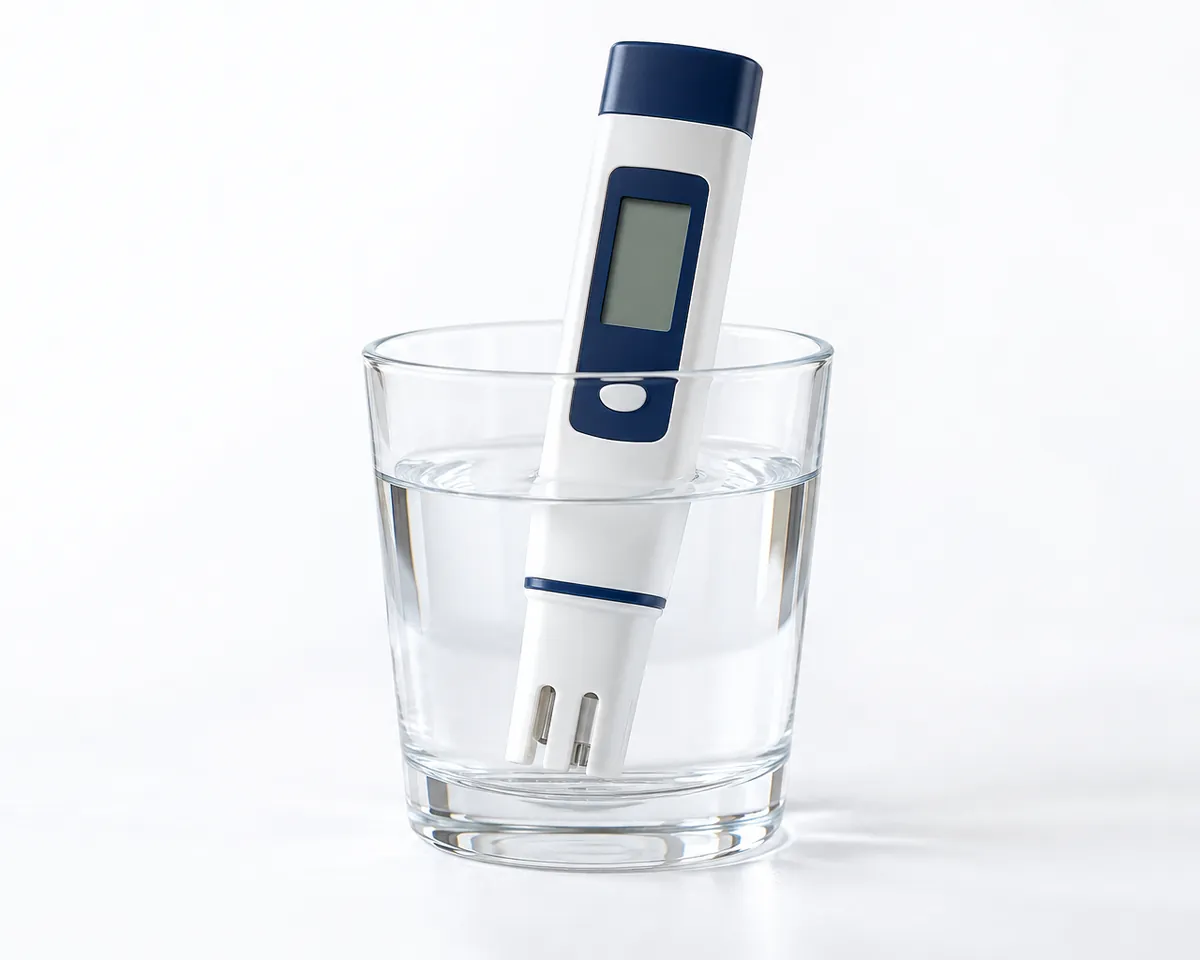
How do I test TDS in my water?
ClearFlow measures TDS as part of our free in-home water test. Call (843) 742-1196.