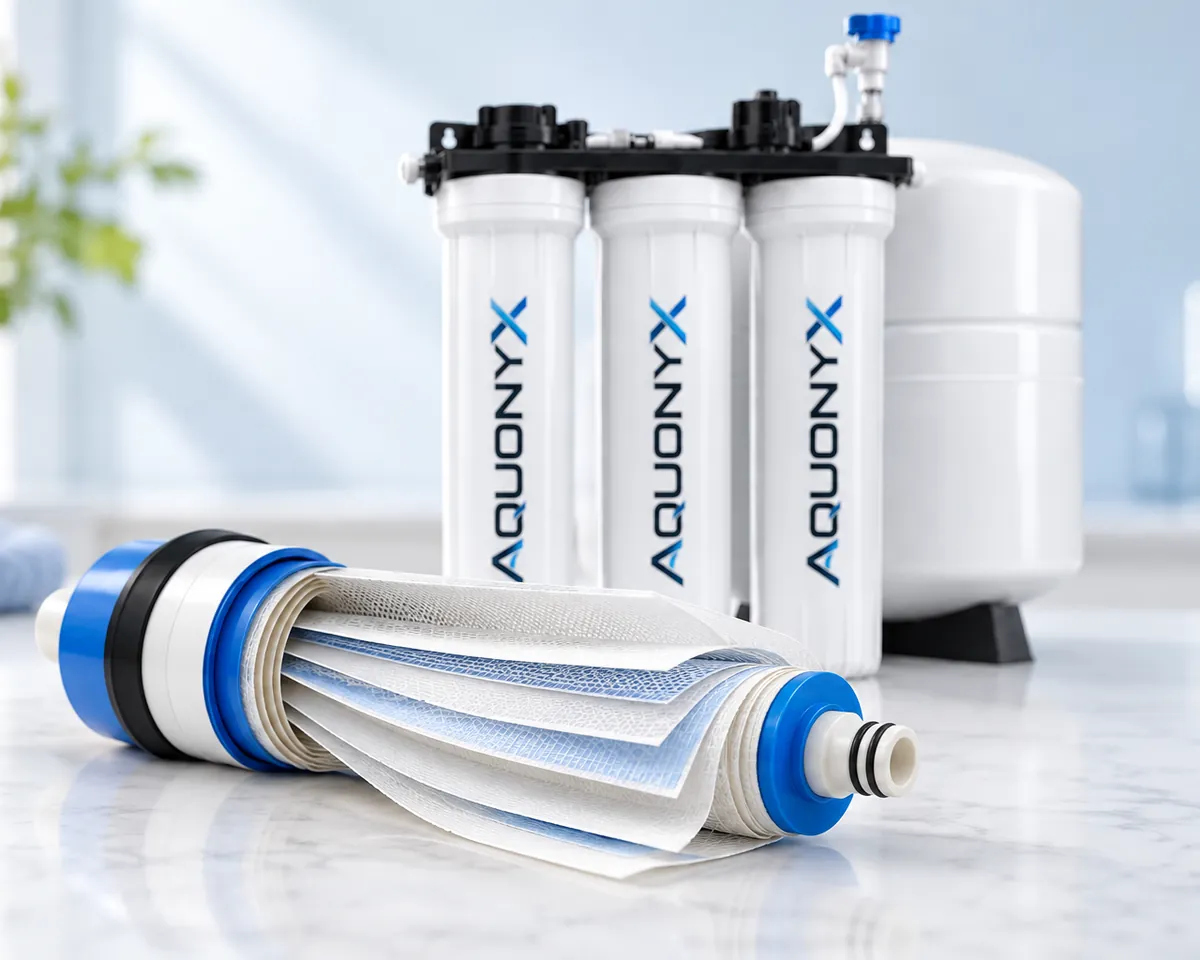
Reverse osmosis (RO) is one of the most widely used residential water treatment technologies. But is it the right choice for your SC or NC home? Here's a straightforward breakdown.
How Reverse Osmosis Works
RO forces water through a semipermeable membrane with pores small enough to block dissolved contaminants at the molecular level, addressing substances that carbon filters, softeners, and UV systems are not designed for.
What Reverse Osmosis Is Commonly Used For
The EPA identifies reverse osmosis among the treatment technologies for contaminants including PFAS, arsenic, nitrates, and lead, and it is also widely used to reduce total dissolved solids. Actual reduction rates for any specific contaminant are defined by the individual system's manufacturer specifications and third-party certifications, and vary with feed water conditions, membrane condition, and maintenance. Always review the performance data sheet for the system you're considering.
What RO Is Not Designed For
- Some volatile organic compounds (a carbon pre-filter is typically paired for these)
- Radon (requires degassing or activated carbon)
- Water hardness throughout the home (RO treats water at a single point of use)
Types of RO Systems
Under-sink point-of-use: Treats kitchen drinking and cooking water. This is the option most SC and NC homeowners choose.
Whole-home RO: Treats all water entering the home, sometimes used where multiple contaminants are present. Pricing for either option depends on your home and water conditions and is quoted in writing after a free test.
Is RO Worth It for Your SC or NC Home?
Yes, if you have: PFAS concerns (Wilmington), lead risk (pre-1986 home), arsenic in well water, high nitrates in agricultural areas, or high TDS.
Consider a softener if: Your primary concern is hard water, scale, and dry skin — RO doesn't soften water.
Many ClearFlow customers do both: a water softener at point-of-entry for whole-home hardness protection, and an RO under the kitchen sink for the cleanest drinking water.
Call (843) 742-1196 for a free test — we'll walk you through your results and your options.