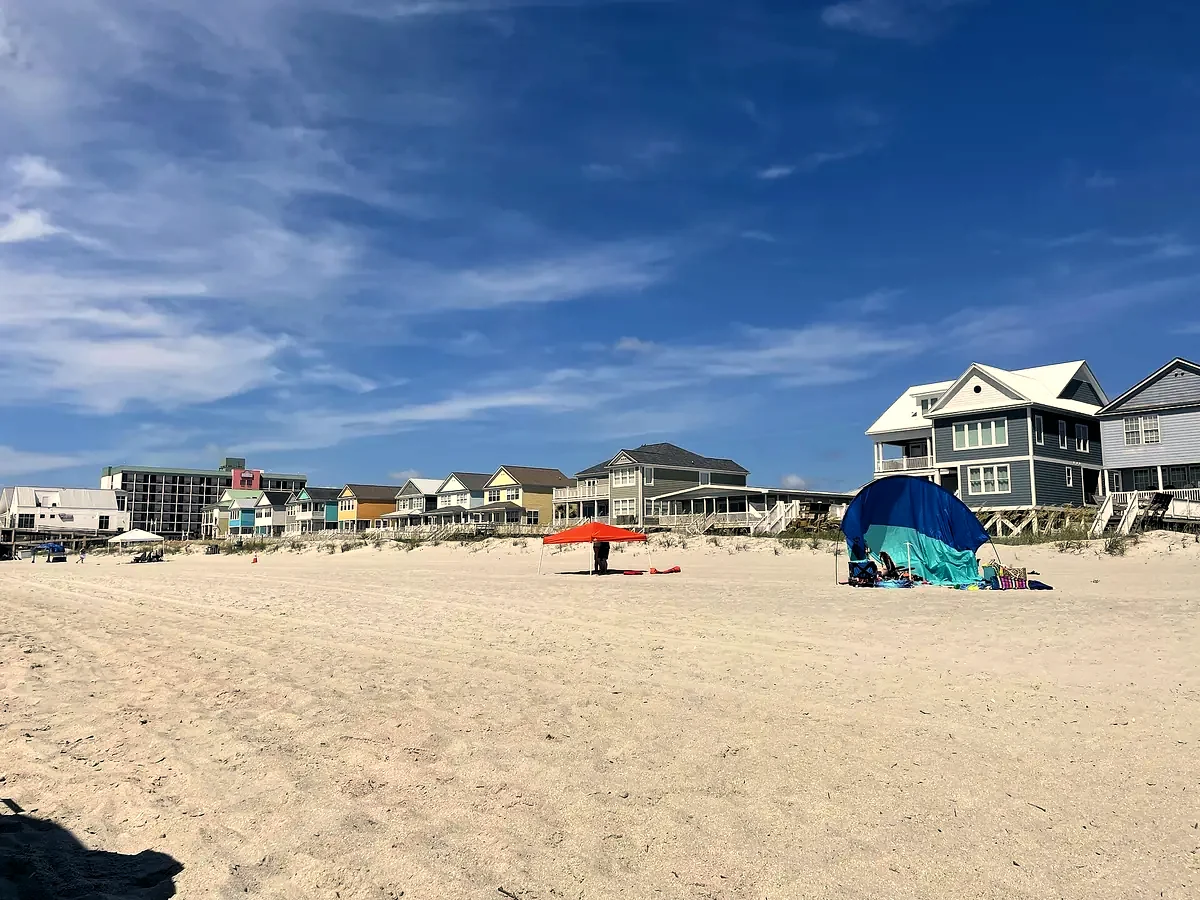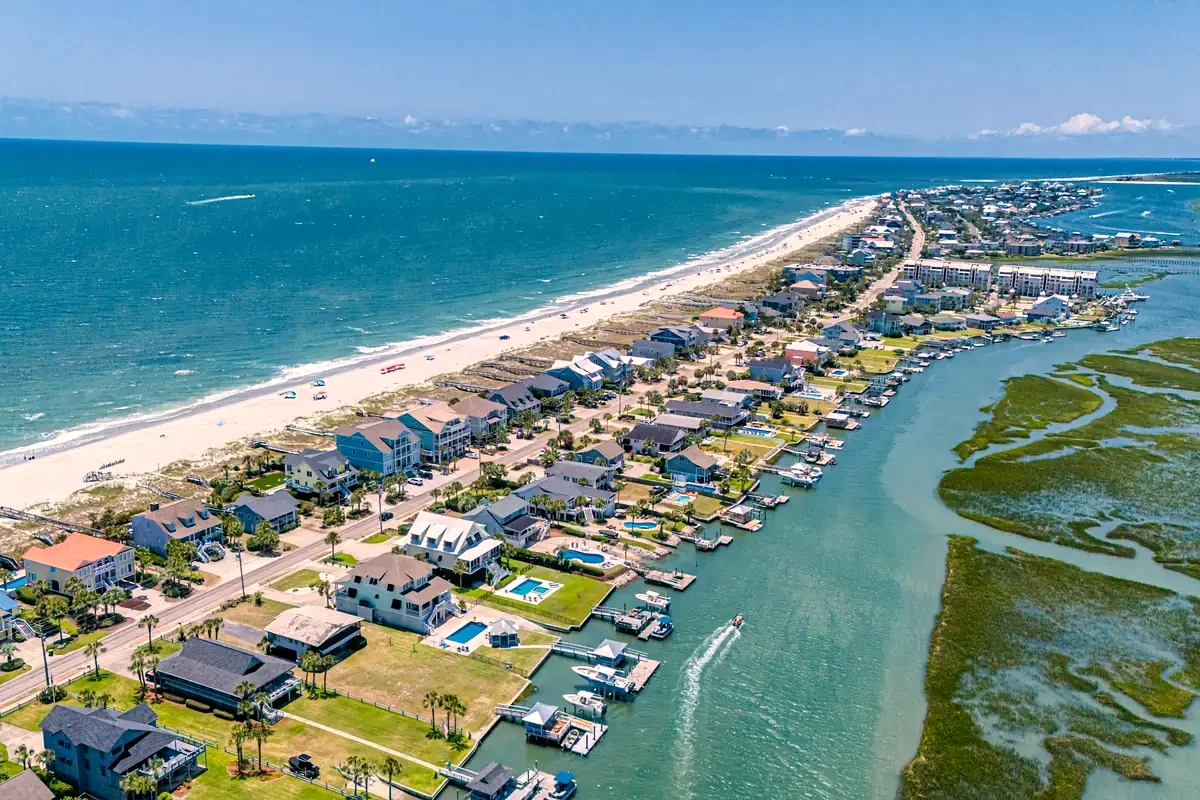
Little River sits right at the SC/NC state line, where coastal aquifers supply many of the area's private wells alongside Grand Strand Water & Sewer Authority (GSWSA) municipal service. The mix of well and municipal customers here means water quality concerns vary block by block.
Coastal Aquifer Challenges
Wells near Little River draw from a shallow coastal plain aquifer that's prone to iron intrusion and, in some pockets, saltwater influence from nearby tidal creeks and the Intracoastal Waterway. Homeowners often notice orange staining in sinks and tubs, a metallic taste, or a slightly salty edge at the tap.
Why Saltwater Intrusion Happens Here
Little River's proximity to tidal creeks means heavy well pumping or drought conditions can pull brackish water into the shallow aquifer. This shows up as elevated sodium and chloride levels, along with a subtle salty taste.
Municipal Customers Aren't Immune
Homes on GSWSA service share the same supply as the rest of the Grand Strand, classified as soft at about 54 mg/L of hardness per the City of Myrtle Beach, and the same disinfection byproduct profile, since the utility draws from the Waccamaw River. Chlorine taste and scale buildup are common complaints even for municipal customers in Little River.
What to Test For
- Iron and manganese (staining, metallic taste)
- Total dissolved solids (TDS) and sodium (saltwater intrusion indicator)
- Hardness (calcium and magnesium)
- Coliform bacteria (private wells only)
- Chlorine/chloramine residual (municipal customers)
The Fix
Iron filtration and whole-house carbon systems resolve most of what Little River well owners report. For saltwater intrusion, a reverse osmosis system reduces sodium and TDS. Municipal customers benefit most from a whole-house carbon filter plus a softener for hardness.
A free ClearFlow test identifies your exact levels before you spend on treatment.
Call (843) 742-1196 to schedule your free Little River water test.