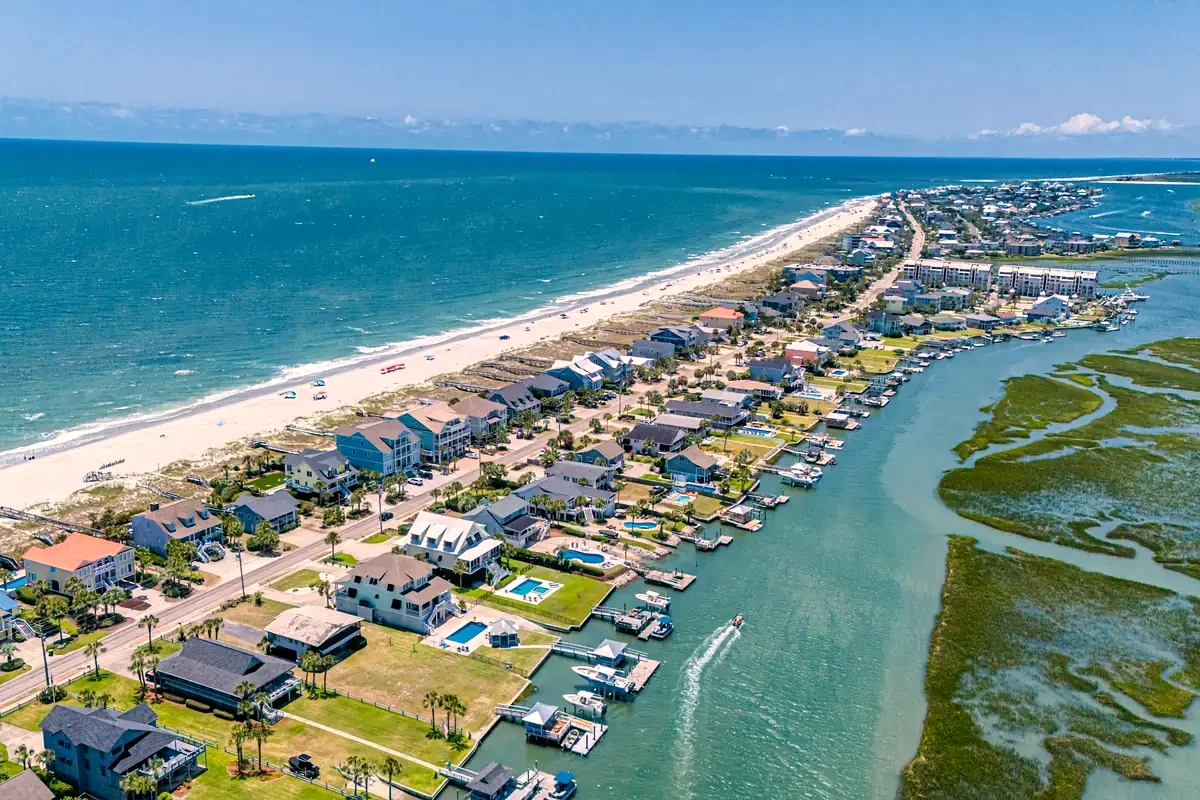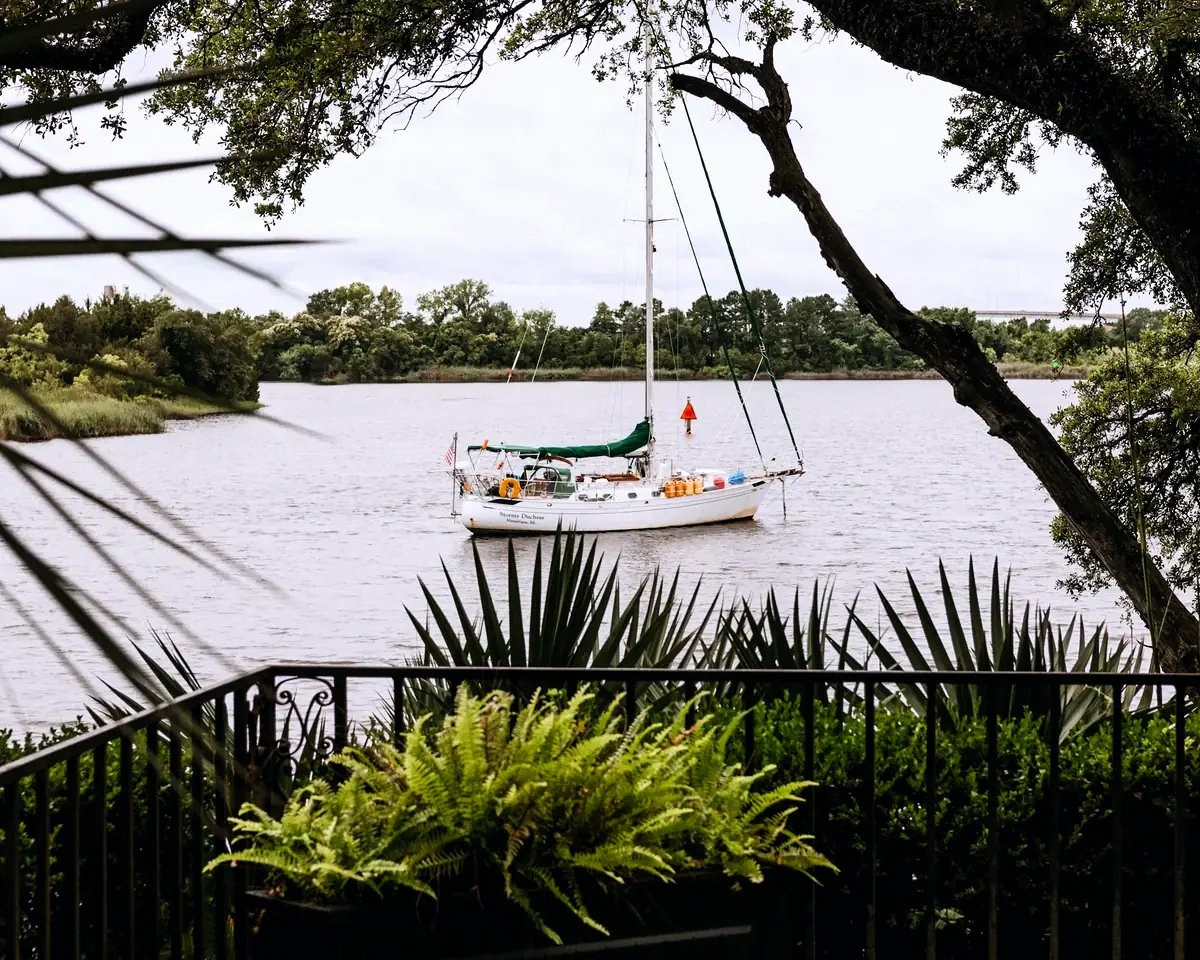
Georgetown — one of the oldest port cities in South Carolina — sits at the confluence of the Pee Dee and Waccamaw Rivers, both blackwater rivers carrying naturally high organic and tannin content from the surrounding wetlands and cypress swamps.
Why Georgetown's Water Looks Different
Tannins give water a tea-like tint that's harmless to drink but unpleasant in appearance and can stain laundry, sinks, and fixtures a yellowish-brown over time. This is one of the most visually distinctive water quality issues in the region, especially for private well owners near the rivers.
Georgetown's Industrial History
Georgetown's history as a port and industrial hub means some areas near legacy industrial sites warrant extra attention for groundwater contaminants, in addition to the naturally occurring tannins and organics from surrounding wetlands.
Agricultural Runoff
Farmland surrounding Georgetown can introduce nitrates and pesticide residues into groundwater. The EPA's 10 mg/L nitrate limit is set largely because of risks to infants under six months, so testing is commonly recommended for well owners with infants in the home.
What to Test For
- Tannins and color (organic content from blackwater rivers)
- Nitrates and pesticides (agricultural areas)
- Iron and manganese
- Coliform bacteria (private wells)
Testing and Treatment
A free ClearFlow test identifies tannin levels and any agricultural contaminants, with tailored carbon filtration or oxidation systems matched to your specific results.
Call (843) 742-1196 to schedule your free Georgetown water test.