

Wells around Charleston
Rural parts of Charleston, Berkeley and Dorchester counties rely on private wells. Lowcountry wells can carry iron, hydrogen sulfide and tannins, and wells near the coast or tidal creeks can pick up salt.
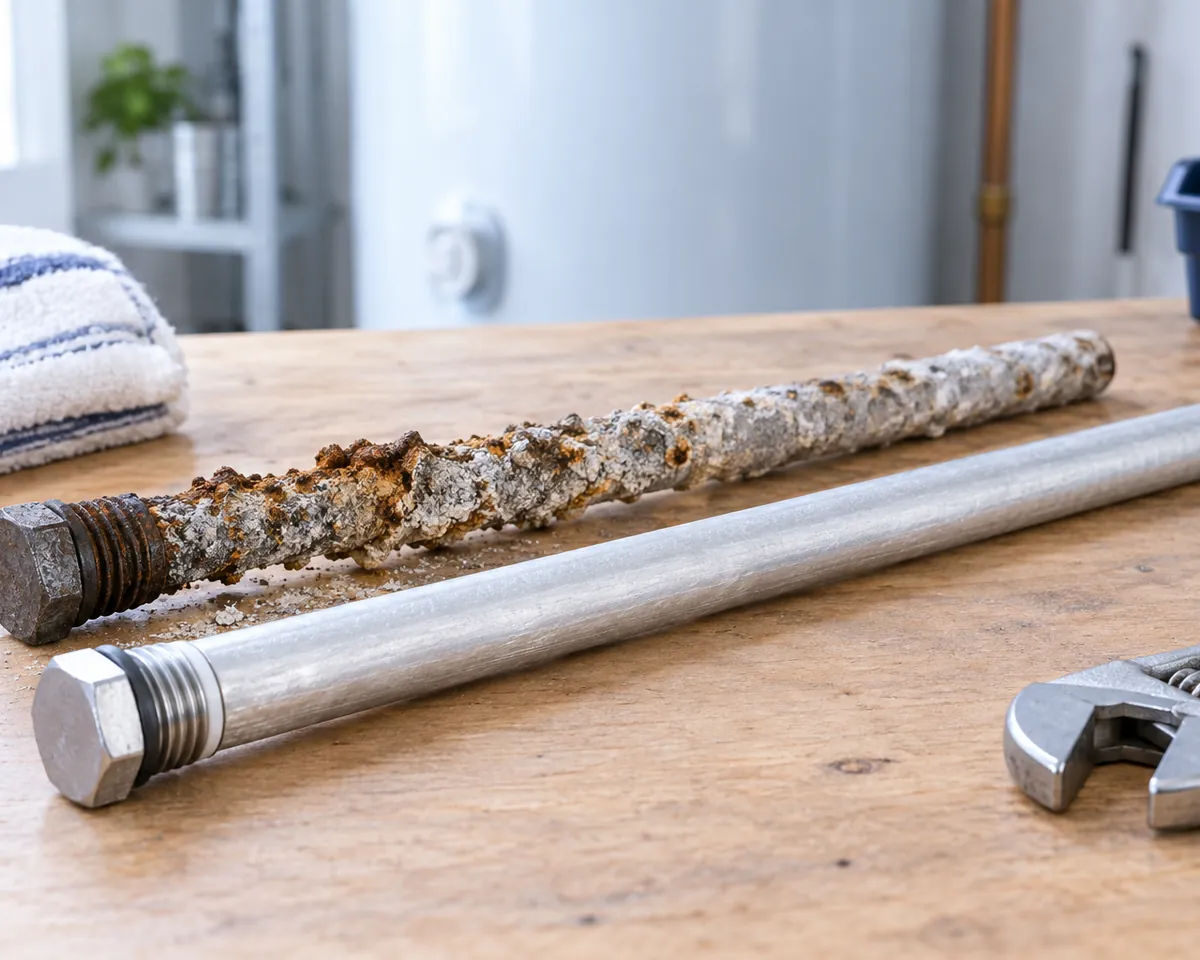
Hydrogen sulfide often smells strongest in hot water, where it can also react with a water heater's anode rod. Testing both hot and cold taps helps pinpoint whether the problem is the well or the heater.
Well or utility water?
Around Charleston, water comes from several utilities:
- Charleston Water System serves the City of Charleston and much of the surrounding area.
- Mount Pleasant Waterworks serves Mount Pleasant.
- Summerville CPW serves Summerville.
- Berkeley County Water & Sanitation serves parts of Berkeley County.
If none of these bill you for water, your home is most likely on a private well.
Who tests a private well?
In South Carolina, private well owners are responsible for their own water. SCDES and local health offices provide sample kits for bacteria and for metals and minerals, and fees apply (SCDES).
Our free in-home test covers iron, hardness, pH and dissolved solids on the spot. Bacteria, nitrates and PFAS need a certified lab, and we will walk you through those options.
Building the right treatment
Well systems are built in stages: sediment filtration, an oxidizing filter for iron and sulfur, a softener if the well is hard, UV if bacteria is a concern, and reverse osmosis for drinking water. Most wells need only some of them. Read about iron in well water, rotten-egg smells and what well treatment costs.
What happens at your free test
Your free test measures hardness, chlorine or chloramine, iron, pH and total dissolved solids at your tap, and you keep the written report. We recommend a treatment system only if your results call for it. How the free test works.
Where we work around Charleston
We test homes across Charleston, West Ashley, James Island, Mount Pleasant, Summerville and Goose Creek.
Sources
- Charleston Water System: how hard is Charleston's water?
- Charleston Water System: how is the water disinfected?
- SCDES: well water quality testing services
Frequently asked questions
My well near Summerville smells like sulfur. Is that common?
Hydrogen sulfide is a frequent well problem in the Lowcountry and is usually treatable with an oxidizing filter or aeration, depending on the level. A test measures it.
How often should I test my well?
Public health guidance is to test a private well at least once a year for bacteria, and again after flooding, repairs, or any change in taste, smell or color.
Can a water softener fix iron?
Sometimes, for low levels of dissolved iron. Higher levels or iron bacteria need a dedicated iron filter.