Hard water is among the most common water quality complaints we hear from South Carolina homeowners — from Myrtle Beach's Grand Strand to Greenville's Upstate suburbs. Here's what it is, how to recognize it, and what your options are.
What Is Hard Water?
Hard water contains elevated levels of dissolved calcium and magnesium. These minerals are natural and not dangerous to drink — but they cause significant damage to homes and appliances over time.
Water hardness is measured in grains per gallon (GPG): - Soft: 0–1 GPG - Slightly hard: 1–3.5 GPG - Moderately hard: 3.5–7 GPG - Hard: 7–10 GPG - Very hard: 10+ GPG
How Hard Is SC Water?
Hardness varies considerably by community, water source, and season, and well water varies even more. The only way to know your home's level is to measure it — figures published for a region are averages, not your reading.
Where Hard Water Shows Up
Hard water affects a household in several practical ways: - Water heating equipment: Scale accumulates on heating elements and in tanks, a widely documented maintenance concern - Appliances: Manufacturers of dishwashers, washing machines, and tankless heaters commonly publish water hardness guidance in their care and warranty documentation - Plumbing: Scale can accumulate in pipes and fixtures over time - Cleaning: Hard water reacts with soap, so it lathers less readily and leaves residue
Signs of Hard Water in Your SC Home
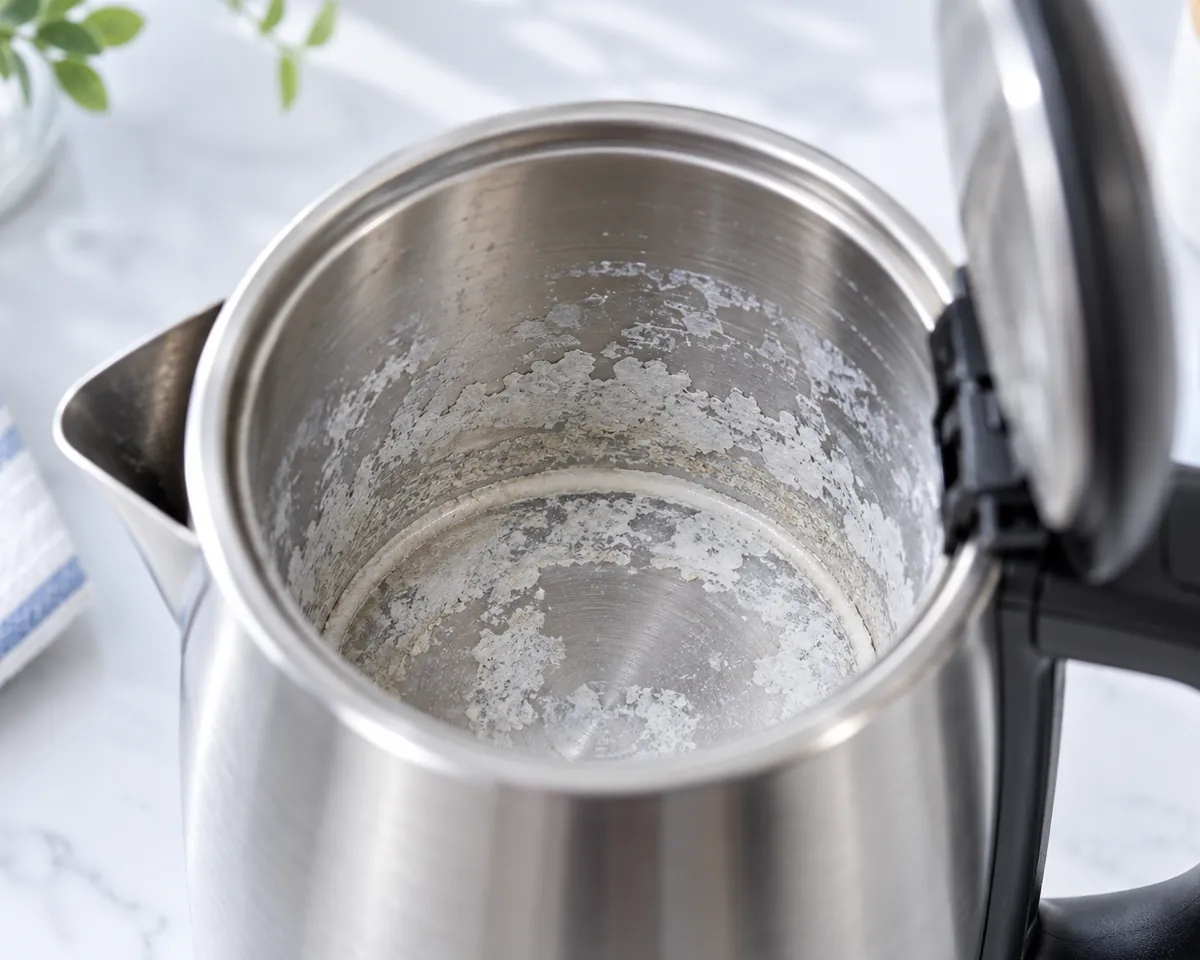
- White crusty deposits on faucets, showerheads, and around drains
- Spots on dishes and glassware after the dishwasher
- Soap scum that won't rinse off in the shower
- Dry, itchy skin and dull hair after bathing
- Banging or rumbling from your water heater
- Appliances needing frequent service calls
The Solution: Ion Exchange Water Softeners
A salt-based ion exchange water softener is the long-established method for treating hard water. The system exchanges calcium and magnesium ions for sodium ions before water is distributed through the home.
ClearFlow measures your hardness level, sizes a system for your household, and handles the full installation. Capacity and performance are defined by the manufacturer's published specifications.
Call (843) 742-1196 for a free in-home water hardness test anywhere in South Carolina.