

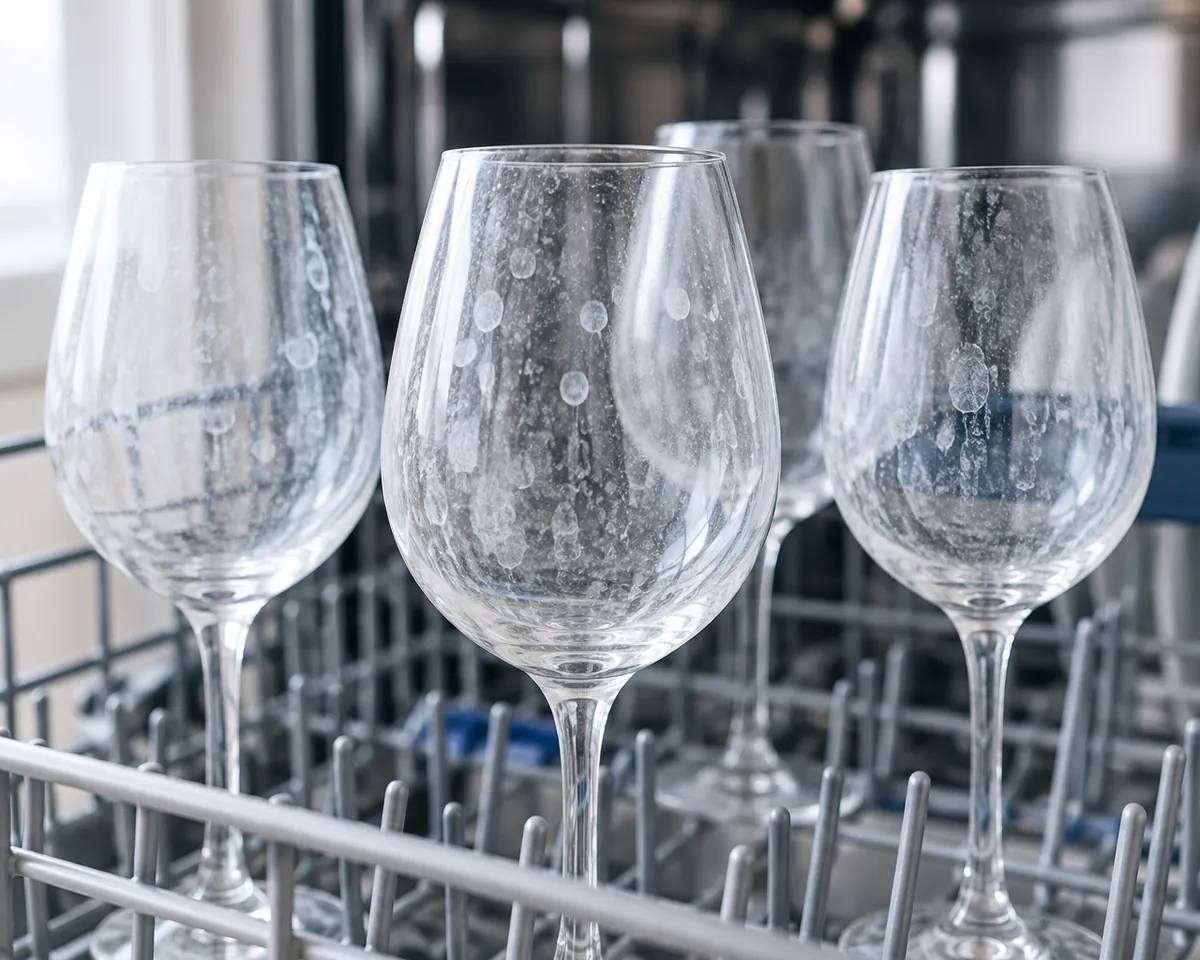
Common Causes
- Calcium carbonate deposits from hard water
- Magnesium scale from dissolved minerals
- Hard water reacting with soap to form soap scum
- Dishwasher not rinsing with soft enough water
The Fix
A whole-home water softener addresses hard water spotting by exchanging calcium and magnesium for sodium before water enters your home. ClearFlow measures your hardness level and sizes the system to your household; capacity and performance are defined by the manufacturer's published specifications.
Related Guides
Related guides
- Water Softener Cost in Myrtle Beach, SC
- Water Softener Installation Near You
- Water Softener Installation in SC & NC
- The SC Homeowner's Guide to Hard Water
Frequently asked questions
Why do my dishes always have white spots even after the dishwasher?
Hard water leaves calcium and magnesium deposits as it dries. Even with rinse aid, hard water causes spots — the only solution is softening the water itself.
Is it safe to drink hard water?
Hard water is generally considered safe to drink — calcium and magnesium are dietary minerals. Hardness is regulated as an aesthetic rather than a health concern; its practical effects are scale buildup and spotting.
Will a water softener help with white spots on my dishes?
Water softening removes the calcium and magnesium that cause hard water spotting, so it addresses the underlying cause. Results depend on your hardness level and the system installed.
How hard is the water in SC and NC?
Hardness varies considerably by community and water source across both states. ClearFlow measures your home's exact hardness level for free rather than relying on regional averages.