Every year, Grand Strand Water & Sewer Authority (GSWSA) publishes a Consumer Confidence Report (CCR) documenting its water quality. Here's a plain-language guide to what the report covers and what each parameter means. For current measured values, always refer to the official report at gswsa.com.
About GSWSA's Water Source
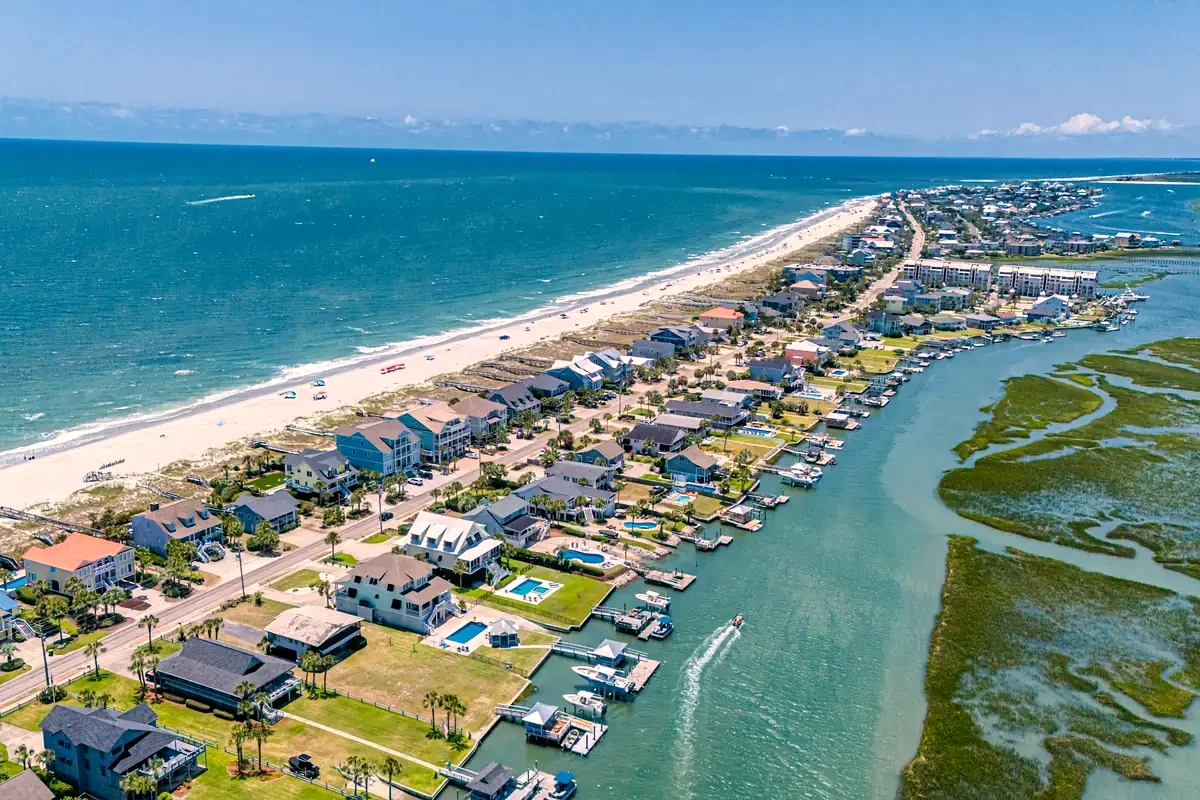
GSWSA treats surface water from the Pee Dee and Waccamaw river system (the Intracoastal Waterway and Bull Creek), which carries natural organic matter from the surrounding wetlands. This organic load reacts with chlorine treatment to form disinfection byproducts (DBPs) at higher rates than cleaner source waters.
What the Report Covers
Total Trihalomethanes (TTHMs) — EPA limit: 80 ppb. TTHMs form when chlorine reacts with organic matter in river source water. The EPA regulates them because of health concerns associated with long-term exposure.
Haloacetic Acids (HAA5) — EPA limit: 60 ppb. A second class of regulated disinfection byproducts with its own federal limit.
PFAS — the EPA limit is 4.0 ppt each for PFOA and PFOS. Compliance is due in 2029, and a May 2026 proposal would let utilities ask for more time, to 2031.
Water Hardness — Not federally regulated. It affects scale formation and soap performance rather than safety.
For current measured values, refer to GSWSA's published Consumer Confidence Report at gswsa.com.
What a CCR Doesn't Cover
A CCR reflects water quality within the utility's system rather than at your individual tap. Because water travels through distribution lines and your own household plumbing, values such as lead and iron can differ at the faucet.
ClearFlow's free in-home test measures conditions at your own faucet.
Call (843) 742-1196 to schedule your free Myrtle Beach water test.