

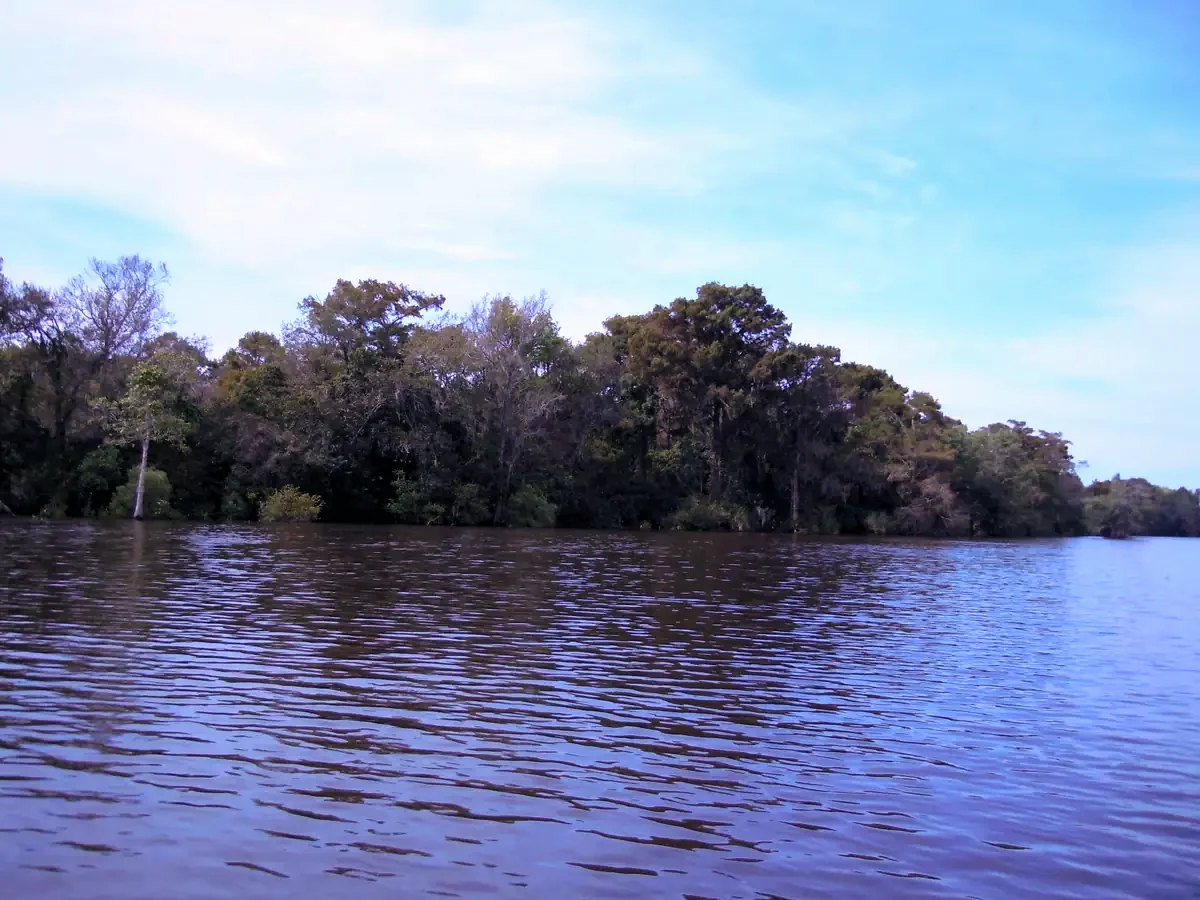
Water Source: the Atlantic Intracoastal Waterway, treated at GSWSA's Myrtle Beach Water Treatment Plant (conventional and ozone treatment)
Where Myrtle Beach's city water comes from
- SourceThe Intracoastal Waterway, fed by the Waccamaw and Pee Dee rivers
- TreatmentGSWSA Myrtle Beach Water Treatment Plant, with ozone
- DisinfectionChloramine, GSWSA’s primary disinfectant since 1993
- Your tapThen your own pipes and water heater, which our free test checks
Please note: This page is a plain-language overview and is not the official report. Values shown are the federal or state limits, not measured results — refer to your utility's published Consumer Confidence Report for current measured values. CCRs reflect the utility's system; conditions at your own tap can differ due to household plumbing. Book a free in-home test for tap-level data.
Key Contaminants Detected
Total Trihalomethanes (TTHMs)
DetectedSee current CCRLimit80 ppb (EPA MCL)
A regulated disinfection byproduct formed when chlorine reacts with organic matter in surface water. GSWSA publishes its measured levels annually.
Haloacetic Acids (HAA5)
DetectedSee current CCRLimit60 ppb (EPA MCL)
A regulated disinfection byproduct associated with chlorine disinfection of organic-rich source water.
PFAS
DetectedSee current CCRLimit4.0 ppt each (EPA MCL, PFOA/PFOS)
EPA's 2024 rule is in effect: initial monitoring is due by 2027 and compliance by 2029. In May 2026 EPA proposed allowing extensions to 2031 and rescinding the limits for four other PFAS; neither proposal is final.
Total Hardness
DetectedVaries by areaLimitNo federal limit
Hardness is not federally regulated. It affects scale formation, spotting, and soap performance.
What an In-Home Test Adds to Your CCR
A Consumer Confidence Report reflects water quality within the utility's system. ClearFlow's free in-home test measures conditions at your own faucet, such as hardness, iron, manganese, pH and dissolved solids — values that can differ from system-wide results because of your home's plumbing.
Related guides
Frequently asked questions
Is Myrtle Beach GSWSA water safe?
GSWSA is required to meet federal Safe Drinking Water Act standards and reports its results annually. A Consumer Confidence Report reflects water leaving the treatment system, not necessarily conditions at your individual tap.
Where can I find the official GSWSA water quality report?
The official GSWSA Consumer Confidence Report is published annually at gswsa.com. Always refer to the utility's published report for current measured values.
How do I get tested based on the GSWSA report?
Call ClearFlow at (843) 742-1196 for a free in-home test that measures conditions at your own tap.