

Common Causes
- Calcium and magnesium from local geology and aquifers
- SC and NC coastal plain groundwater naturally high in minerals
- Mountain reservoir water (Greenville) with moderate hardness
- Municipal distribution system leaching additional minerals
The Fix
A whole-home salt-based water softener removes calcium and magnesium through ion exchange, addressing the mineral content responsible for hard water symptoms. ClearFlow provides free hardness testing and sizes and installs the system for your household.
Related Guides
Related guides
- Water Softener Cost in Myrtle Beach, SC
- Water Softener Installation Near You
- Water Softener Installation in SC & NC
- The SC Homeowner's Guide to Hard Water
Frequently asked questions
What are the signs of hard water?
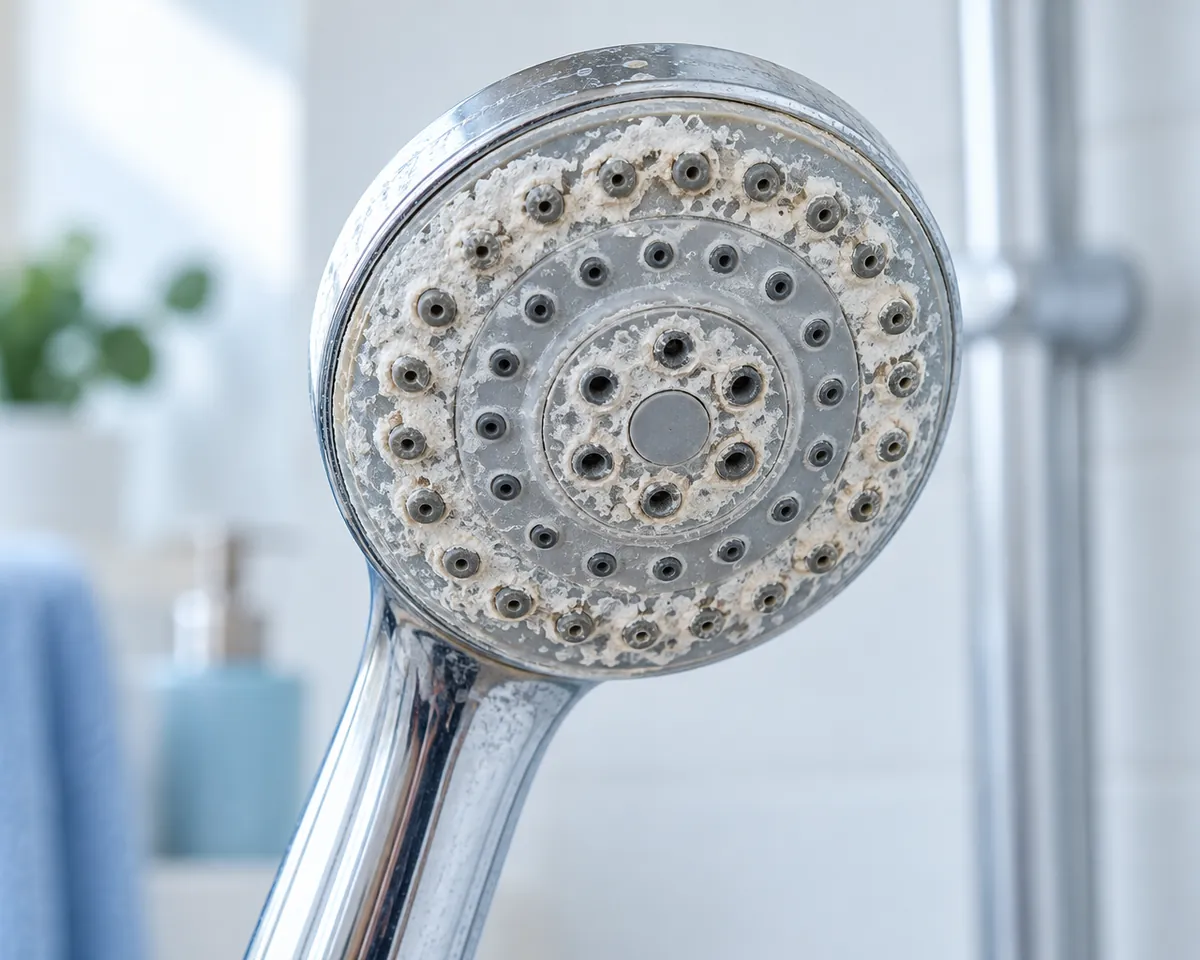
White spots on dishes and glassware, scale on faucets and showerheads, soap that won't lather well, dry or itchy skin after showering, and scale accumulation in water-heating appliances.
How does hard water affect my skin?
Hard water minerals react with soap to form soap scum that can remain on skin after rinsing. Many people report dryness or itchiness as a result; consult your physician about any persistent skin condition.
How does hard water affect appliances?
Scale from hard water accumulates on heating elements and in plumbing, which is a widely documented maintenance concern. Many appliance manufacturers address water hardness in their care and warranty documentation.
How do I test my water hardness in SC or NC?
ClearFlow provides free in-home water hardness testing across SC and NC. Call (843) 742-1196 to schedule.